What does the Annapurna Base Camp Trek Packing List mean in 2026/2027?
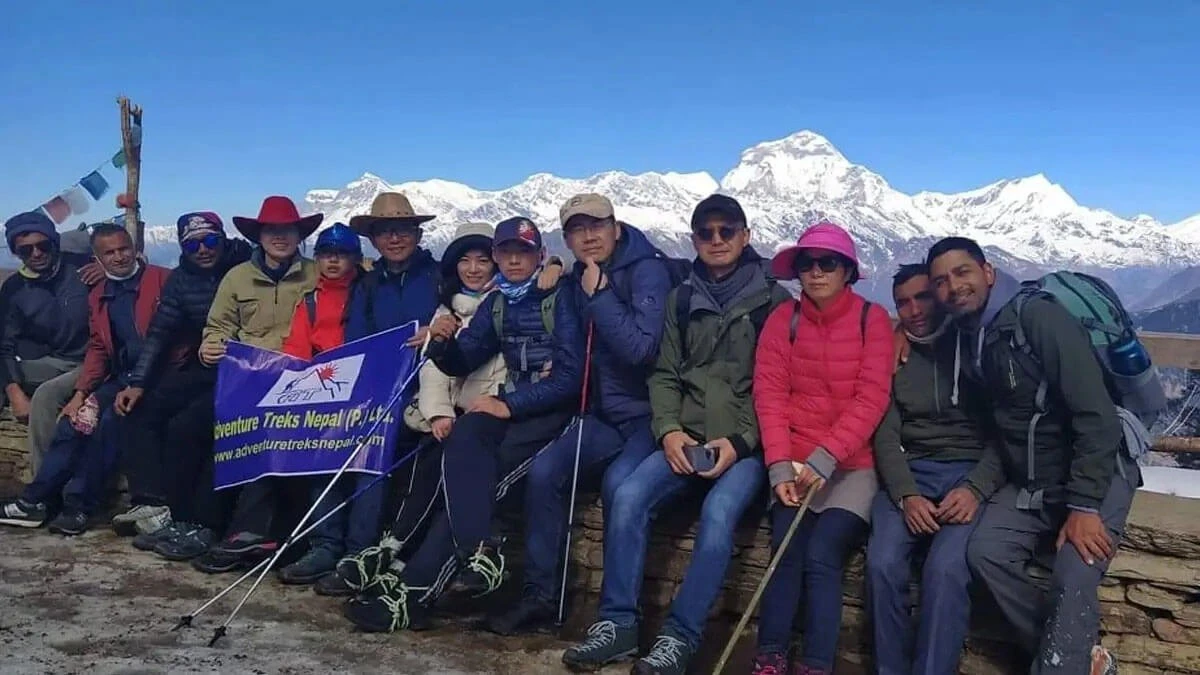
The set of necessary items for trekking on the Annapurna trails to the base of Mt. Annapurna is considered the Annapurna Base Camp trek packing list, with strategies. Depending on unpredictable weather, topography, the state of paths, and elevation changes from lush valleys to alpine meadows, the essentials checklist should include clothing layers, trekking gear, required safety equipment, and individual belongings.
The descriptions of the key essentials that are mandatory for a secure, comfortable, and successful Annapurna Base Camp Trek are given below. If you check Adventure Trek Nepal’s packages, you will find there what equipment will be covered by the cost of the trek.
Clothing layer
As you climb up to higher landmarks, the temperature starts dropping, sometimes to freezing. Accordingly, the right clothing layers are crucial for the changing climates of the Annapurna Base Camp route. A moisture-wicking base layer, an insulating mid-layer, and weatherproof outer layers can make a layered clothing system perfect to balance body temperature, protecting against harsh cold, chilly winds, and heavy rainfalls or snowfalls. With this kind of proper preparation, trekkers are eligible to walk comfortably during both daytime and frosty nights at lofty heights. Must-have clothes in your backpack are as follows:
- Light thermal tops and bottoms, made of merino or synthetic wool.
- Instant-dry t-shirts and long-sleeve shirts.
- Fleece jacket/wool sweater/lightweight down jacket
- Waterproof and windproof jacket
- Comfortable trekking pants
- Trekking shorts for lower elevations
- Sun hat, warm hat, and neck gaiter
- Pair of socks, warm gloves, and gaiters
Footwear
- Comfortable, durable, and waterproof trekking boots with sturdy grips
- Lightweight, comfortable sandals or shoes (for teahouses/lodges)
Trekking gear
- Sleeping Bag with a low comfort temperature rate to get warm during snowfall, too.
- Trekking poles
- Headlamp with extra batteries
- Garbage bag and reusable water bottle.
- Lightweight backpack
Safety, health or well-being essentials
- Water purification tablets
- First aid kit, together with “Diamox,” personal medicines, bandages, and blister treatments.
- Sunscreen, lotion, and insect repellent
- Sunhat and sunglasses
Personal Hygiene items
- Quick-dry towel and handkerchief
- Biodegradable soap, shampoo, conditioner, toothpaste, and toothbrush
- Wet tissue paper and toilet paper
- Hand sanitizer
Travel Documents
- A TIMS (Trekkers Information Management System) card.
- An ACAP (Annapurna Conservation Area Project) permit
- Valid passport and Nepal entry visa
- Travel Insurance
- Citizenship photocopy
- PP-size photos
Others
- Camera
- Binoculars
- Books, comics, stories, journals, and a diary
- Portable camp chairs
- Earplugs and eye masks,
- Travel pillows and a sleeping bag liner
- GP's device, portable power bank,
- Small mirror
- Energy bars/drinks, electrolyte powder
Why do you need trekking equipment for the Annapurna Base Camp route?
Since the Annapurna Base Camp trek takes you through diverse terrain with various climates and some challenging sections, you must have the right gear for a successful journey without any hindrance. With essential gear in your backpack, you won't have to worry about the fluctuating climates, which can quickly bring rain, snow, and storms, creating problems on the trek. Sometimes such conditions turn into worse situations by getting injured or having health issues, and the condition to return to Kathmandu comes from a lack of caution. At that time, you can keep yourself safer by using the carried trekking Equipment for the Annapurna Base Camp route. While wearing comfortable clothes and footwear, the trekking will be easier even on stone steps and high-elevation sections that cover long distances of about 6 to 12 kilometres, depending on the trails.
Using the right gear means reducing fatigue and allowing yourself to enjoy the charm of the surroundings, encompassed by towering, snow-capped mountains. As every step introduces natural wonders, it will be a golden opportunity to capture the moment on your camera roll for lifetime memories. Although an expert guide leads on challenging trails, ensure safety while crossing small streams and suspension bridges and walking on slippery, muddy, or narrow paths. Therefore, do not compromise with equipment such as windproof plus waterproof jackets, trekking poles, layered clothes, and durable boots, as proper trekking gear plays a vital role in ensuring comfort and safety.
Which Is the Best Gear for the Annapurna Base Camp Trek?
While choosing the gear for trekking, it is better to pick it based on its quality rather than rate, without compromising on your safety. Consulting with your guide, as well as comparing with other equipment, you can finalize the best one for an exceptional Himalayan experience. Below, we explain the key characteristics of some essential trekking equipment to help you make the right choice.
Backpack
Although the route to the Annapurna Base Camp is more well-marked with better maintenance, carrying a backpack that fits comfortably helps in balancing the body during prolonged walking for stability and comfort. Ensure that the majority of the load preferably rests on your shoulders and hips to maintain proper posture, reducing pressure, which leads to extreme exhaustion.
Without missing any essential thing, select the size of the backpack whose volume corresponds to the trekking length and duration of the trip. For the ABC trail, a backpack with a capacity of 40 to 50 liters with a rain cover can be ideal, which can provide sufficient space for all Annapurna trek essentials without becoming overweight. The raincover will protect individual gears from snow, rain, and moisture, as weather change is usual in the Himalayan landmarks.
Sleeping gear
As the temperature at nighttime is lower compared to daytime in high elevations, increasing harsh cold, select a sleeping bag rating of –5°C to –10°C while trekking during the months of peak seasons. However, winter requires a bag rating of -15°C to be safer from cold-related health issues such as hypothermia, frostbite, poor sleep, and cold-induced fatigue. Although both down and synthetic sleeping bags are a trekker’s choice. While a down sleeping bag is lightweight, compressible, and very warm, a synthetic one is slightly heavier, but it works better in wet conditions and also dries quickly.
As you are trekking for long days with ups and downs, carry a bag of 1 to 1.5 kg, which is mummy-shaped to hold warmth more effectively. Ensure that you fit a bag well for comfort without making it too tight to keep warm. At settlements near base camps, blankets provided by teahouses might not be enough for you. As a result, use a sleeping bag, although you wear a thermal base clothing layer, a muffler, and socks while sleeping.
Trekking poles
Some sections of the ABC trek route require trekking poles for confidence and balancing the body. Considering steep ascents and some technical descents, aluminium or aluminium-carbon mix poles will be the best choice for the Himalayas. Carbon fiber poles would be better due to their lightness, but are not as strong and durable as aluminum on rugged landscapes. Carry adjustable poles, as while ascents require shorter ones, descents prefer longer ones for better performance without getting injured.
Make sure that your elbow forms a 90-degree angle while gripping the pole on flat terrain. Among different grip types, cork or foam grips can be the best because of comfort for longer days and suitability for chilly weather. At last, trekking poles should be lightweight but durable, together with adjustable straps, carbide tips, and small trekking baskets.
Clothing layer
Different seasons require proper clothing layers depending on their temperatures to make you comfortable and protect you from unpredictable circumstances. When you reach above 3000 m, direct sunlight from very humid weather can cause skin problems and also create excessive sweating and breathing discomfort. Accordingly, the right layered system of clothing can assist in maintaining body temperature and shield the body's skin. For the chilly cold of high altitude, carry high-wicking, thermal base layers of premium quality.
Select a high-quality woollen layer, such as merino wool, to provide your body extra warmth during snows. A fleece or down jacket and insulated trekking pants can save you from the freezing temperatures of nighttime. As cooler wind blooms every time at high elevations, windproof out layer is crucial, along with waterproofing.
Footwear
Whether you are a beginner or a seasoned trekker, a waterproof trekking boot is the best choice. However, ensure that they have supportive ankle height along with a stiff sole to be comfortable on rugged terrain. Especially on the uneven trekking path with stones, gravel, snow/ice, and mud, these waterproof boots minimize the risk of ankle twists. Lightweight trekking shoes are more comfortable, allow airflow, repel light moisture, and are also lighter than boots. During the longer duration, as well as in the months of monsoon and early autumn, these kinds of lighter shoes can perform better.
Do not forget to carry slippers/sandals/camp shoes to use while strolling around lodges after you reach the day’s destination. Wear a comfortable and breathable one, which allows your feet to get relief. While choosing them, also ensure that your footwear properly fits to avoid problems like blisters. For the comfort of your feet in boots or shoes, you should wear wool or synthetic socks. In addition, gaiters and blister care kits add to the condition of well-being during the entire journey. Avoid new shoes and also any footwear with no ankle support and a weak grip.
Gadgets: Headlamp, power bank, GPS, and trekking watch
Must-have trekking gadgets on the Annapurna Base Camp trek are a headlamp, a GPS, and a power bank, which are very useful in navigating trails. Choose a portable, climate-resistant, and durable one for better physical endurance. Sometimes, the journey begins very early in the morning to avoid unpredictable weather and challenging zones of the route. At that time, a headlamp, which provides a bright and focused beam, guaranteed security on the trail.
Carrying a GPS and other direction tools adds to a safer journey, whether starting early or ending in the evening. However, do not forget to keep a power bank in your Annapurna Base Camp Trek gear Checklist to keep crucial electronic equipment charged. We suggest buying or renting all gear of premium quality to track elevation and do the right trail navigation, along with the time arrangement.
Which Annapurna trek essentials should you not forget?
Some items look simple but play a vital role during the trekking to the Annapurna Base Camp. While traversing through different settlements, you will find several water sources, such as waterfalls, streams, ponds, glaciers, rivers, and taps. Nevertheless, drink water only provided at teahouses, as locals use filters or boil it before giving it to you. Keeping water purification tablets or portable filters is very beneficial when you need to use water found on the route, especially in urgent cases.
The best idea to avoid health issues such as diarrhea and stomach infection is refilling your water bottle from time to time. To protect your skin from direct sun and humid weather, carry a sunhat, UV glasses, sunscreen, and lip balm. Carrying an individual first aid kit, including personal medication, together with high-altitude preventive medicines, bandages, and ointment, helps you to stay safe.
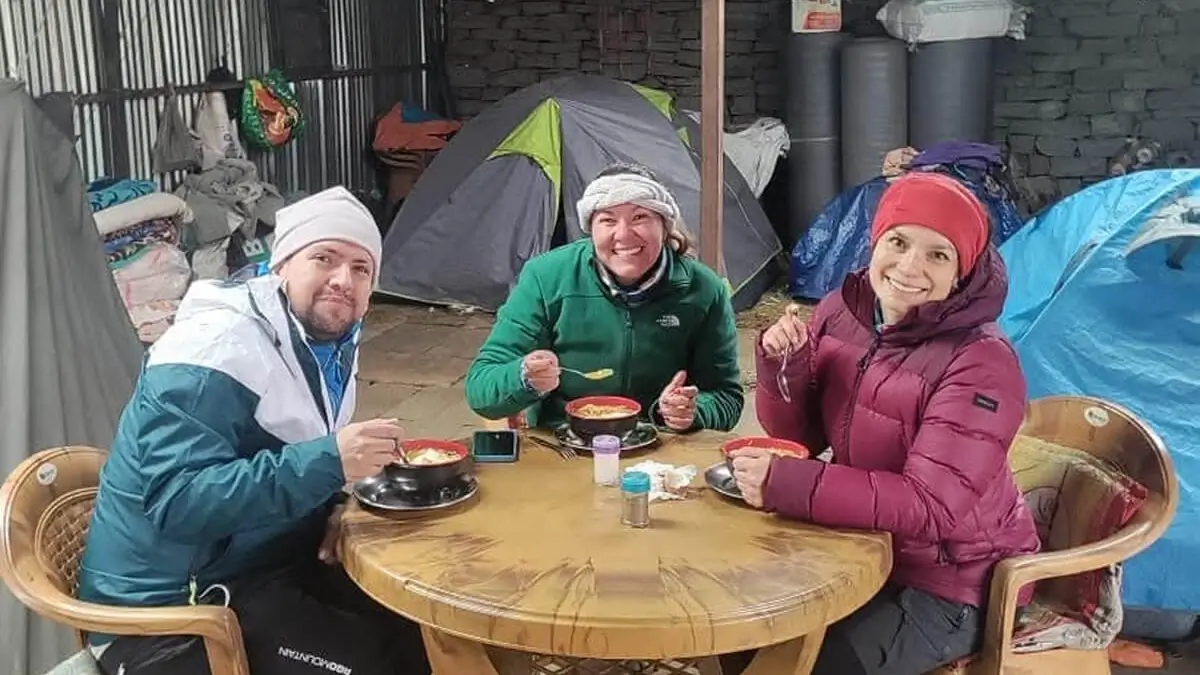
At teahouses, locals provide fresh and delicious meals, mainly Dal Bhat Tarkari, a perfect combination of protein, carbohydrate, vitamins, and minerals as it consists of steamed rice, seasonal vegetables, salad, and pickle. As you will not get shops everywhere on the trail, you have to carry nutritious snacks, including cookies, biscuits, dry fruits, nuts, instant noodles, beaten rice, energy bars, chocolates, and energy drinks.
Is a camera a must-have trekking gadget on the Annapurna Base Camp trek?
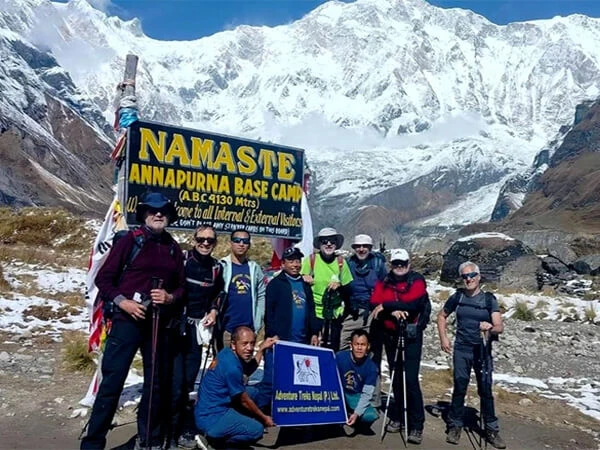
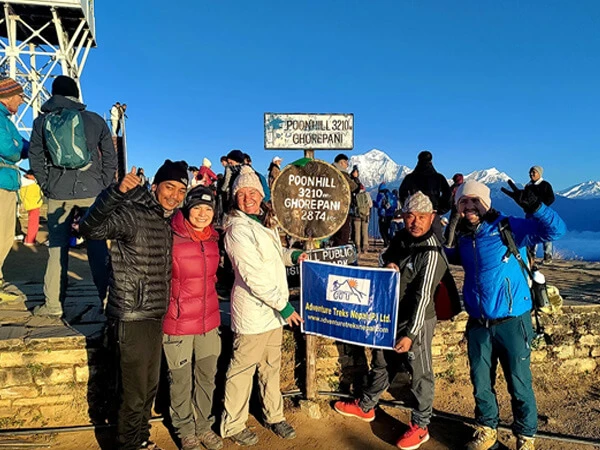
No, a camera does not fall under mandatory hiking equipment for the ABC trekking. However, we highly recommend capturing each and every moment on a once-in-a-lifetime trek. You feel satisfied while seizing the glorious scenery at the time of sunrise and sunset from different vantage points like Ghorepani Poon Hill (3210 m), Machhapuchhre Base Camp (3700 m), and Annapurna Base Camp (4130 m). For lifetime memories, you can click pictures of giant mountains such as Mt. Annapurna, Machhapuchhre, Gangapurna, Dhaulagiri, Hiunchuli, and Tent Peak.
As the route lies in the Annapurna Conservation Area, you might get a golden opportunity to capture various flora and fauna, especially during the spring season, as the moderate temperature and pleasant weather bring an optimal period for all living beings, increasing the movement of wild animals. Without harming birds and animals such as the Himalayan monal, blood pheasant, Himalayan black bear, musk deer, red panda, snow leopard, and Himalayan Tahr, you can observe them with the help of binoculars and capture their unique activities on your camera.
While choosing the camera, choose the best one with better camera quality, such as a DSLR. Instead of a camera, you can also carry a smartphone with a good camera as an alternative. Our tips to have better snaps are options like time-lapsesClose-up images of local life, and wide scenic views, which are more creative. If possible, you can also bring Gopro, which is preferred by several trekkers thanks to its strength and lightweight design.
What are the tips for your 2026/2027 Annapurna Base Camp Trek packing list?
For smart packing, you can follow the tips given below:
- Smartly pack your bag with multi-use tools, reducing overloads.
- Do not forget to keep electronic devices, valuable things and documents in a backpack with a waterproof cover.
- Check the weather forecast before heading to trekking areas to avoid unnecessary challenges.
- Before buying or taking gear on rent, test its quality before venturing on the journey.
- Put dresses on your body based on the changing temperature of the trekking zones.
Conclusion
After reading our latest blog regarding must-have trekking gadgets on the Annapurna Base Camp Trek, we hope that you can embark on the journey confidently without stressing more, as the comprehensive guide has mentioned everything about essentials, making it easier while arranging Annapurna Base Camp Trek gear Checklist.
Now, hurry up to make your dream trip true, choosing us, as we will help you from selecting the best gear for the Annapurna Base Camp trek to obtaining every official document required for trekking, along with handling other logistics on the route.