What Makes the Annapurna Base Camp Trek Challenging?
Most Annapurna Base Camp trails are well-marked, and reaching the initial points to begin official hiking is easier due to proximity to Pokhara. However, understand some factors that add to the trek’s difficulty level and prevent challenges with a strategic plan based on the Annapurna Base Camp trekking safety tips. While heading to higher elevations, leaving lush subtropical woodlands, the landmarks become steeper and rougher with alpine meadows, glacial moraines, and rocky terrain. The level of oxygen also lowers, demanding caution and a steady pace while stepping forward, especially above 2500 m.
Rush walking in the temptation of reaching daily destinations on time will lead to worse health conditions. While facing the symptoms of acute mountain sickness, the inconsistent weather of the Himalayas might bring rainfalls, snowfalls, or strong winds at any time, creating challenges on the way. Natural disasters such as floods, landslides, and avalanches can block the major trails in such times. The only option to proceed ahead will be choosing an alternative path, which may be more strenuous, increasing the risks of getting injured or physical and mental strains.
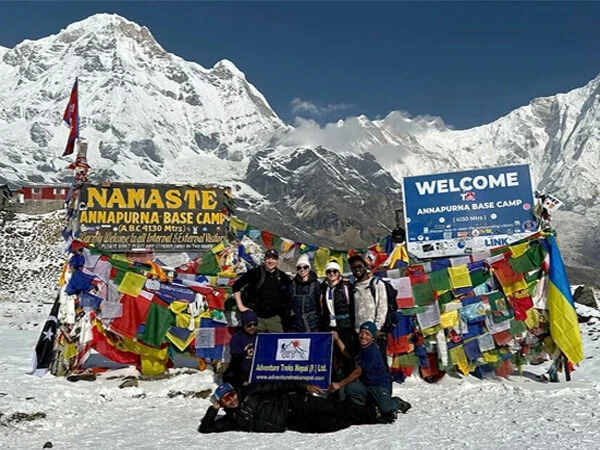
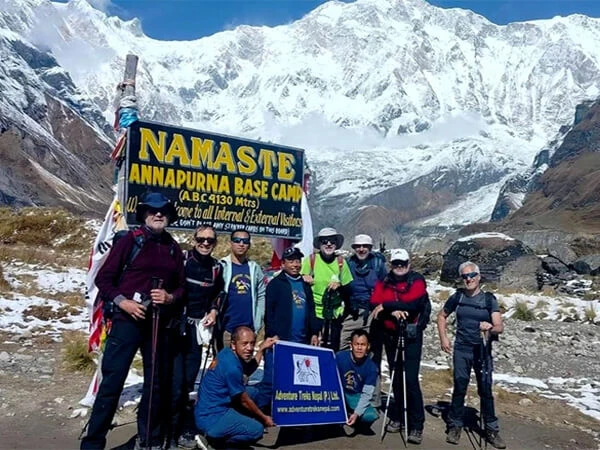
Some narrow and slippery trekking paths with steep ascents and technical descents are near the Annapurna Base Camp (4130 m) and will test your physical endurance all the way. Nevertheless, the awe-inspiring scenery and close views of the Annapurna and Dhaulagiri ranges from there make each struggle worthwhile. Since hospitals are far away and offer limited services, trekkers might not receive proper treatment immediately.
Why do you need an Annapurna Base Camp Trek Safety Checklist?
Smart planning is the key to a successful journey in the trekking areas of Nepal. To make the trip organized, the right safety checklist is essential. Following the Annapurna Base Camp trekking safety tips provided in our blog, the navigation from lush valleys to rocky terrain becomes easier. Physical fitness for the topography challenges is not enough, as there is a saying that “Work smarter, not harder, to achieve more with less stress.” As a result, carry the right equipment and know ways for proper adaptation to the environments of higher elevations.
Where to stay, what to eat, and how many kilometers you should walk all matter for a safer journey on the Annapurna trails. Accordingly, an appropriate Annapurna Base Camp trekking safety checklist is to elevate your confidence, allowing you to enjoy it to the fullest without suffering through many problems.

What is the essential Annapurna Base Camp Trek Safety Checklist?
As mentioned above, the Annapurna Base Camp trek safety guide and checklists determine the entire journey; you should ensure the following things as follows:
How should you pack for safety on the Annapurna Base Camp route?
Smart packing helps to reach your destination, minimizing mental and physical exhaustion. Increasing the load of your backpack with unnecessary stuff means making your trip slower and costlier, as a porter cannot walk faster and also requires a higher price for a heavier one. As the trekking path takes you above 2500 m, the temperature begins dropping as you ascend to higher lands, sometimes to a chilly freezing point. Therefore, carry clothing layers (base, mid, and outer) along with an extra sleeping bag.
While the outer layer must be waterproof and windproof, wearing thermal base layers can protect you from harsh cold. Comfortable trekking pants, moisture-wicking T-shirts, warm socks, hats, gloves, and protective leg sleeves. Must-have safety equipment is a first aid kit along with bandage safety pins, medical tape, cotton swabs, betadine, bandages, sterile gauze pads, personal medicines, and "Diamox". Others are headlamps with extra batteries, a water purification tablet, trekking poles, and emergency whistles that are useful for a safer trip.
Together with such safety essentials, do not forget to keep in your backpack mandatory documents such as a TIMs(Trekkers Information Management System) card, ACAP(Annapurna Conservation Area Project) permit, and Travel insurance. You have to verify permits at various checking points, and the insurance is needed in case of emergency evacuation by helicopter above 3000 m.
How to Stay Safe from Altitude Sickness on trekking around Annapurna?
The symptoms of altitude sickness usually appear once you reach the mountainous land at 2500 m above sea level due to thinner air, whether you are a novice or an expert trekker. Major symptoms of acute mountain sickness are headache, nausea, difficulty sleeping, shortness of breath, dizziness, loss of appetite, fatigue, and swelling of body parts.
However, we provide some acute mountain sickness prevention tips on the Annapurna trail to help you in completing the journey successfully.
- Climb up hills with gradual ascents, allowing your body to acclimatize naturally.
- Drink plenty of water, adequate soups, and suitable liquids to keep your body hydrated.
- Stay away from liquor/alcoholic drinks at high altitude since they reduce your ability to acclimatize properly.
- Have a fresh, nutritious meal along with sleep to maintain energy.
- Listen to your body, and let your guide know about your health condition from time to time.
Can the weather impact your safety on the Annapurna Trek?
Yes, the weather of trekking regions is also one of the elements that plays a vital role in the trekking experience and safety. Since the Himalayan weather is unpredictable, trekkers can follow the given Annapurna trekking precautions related to the climate or weather of the trekking route.
- Choose peak seasons (spring and autumn), avoiding monsoon and winter trekking risks.
- Keep updating about the weather forecasts before each day’s journey.
- Stay connected to local teahouses, trekking guides, or trekkers returning from the Annapurna Base Camp for the latest information about the trail conditions.
- Be more careful in slick, slippery, icy, landslide, or avalanche-prone areas.
- Wear appropriate layers to keep your body adjusted according to temperature variation.
Where are the most difficult sections of the ABC trek trail?
Although most villages are easily reachable, some areas along the ABC route require extra attention while proceeding to the base of Mt. Annapurna (8091 m). After a scenic drive from Pokhara to Nayapul, the trek to Ulleri will be quite challenging for beginners, covering approximately 10 to 11 kilometres within 6-7 hours on uphill step stones, gaining more than 1000 m. Once you head for Deurali, leaving Chhomrong, more caution is required for each step due to the higher risks of avalanches near the destination.
The closer to the Annapurna Base Camp, the more the trail becomes demanding due to steep ascents as well as the difficulty of walking on rough terrain. Some feel easier while descending to return to Pokhara city, passing by wonderful settlements. However, the same thing becomes the reason for slow walking for some trekkers. In the hiking sections of Bamboo and Dovan, narrow trails make trekking challenging. Annapurna Base Camp Trekking safety tips suggest you walk with caution on such sections to stay safe until the destination.
Do you need a guide and a porter for safety on the Annapurna Base Camp trail?
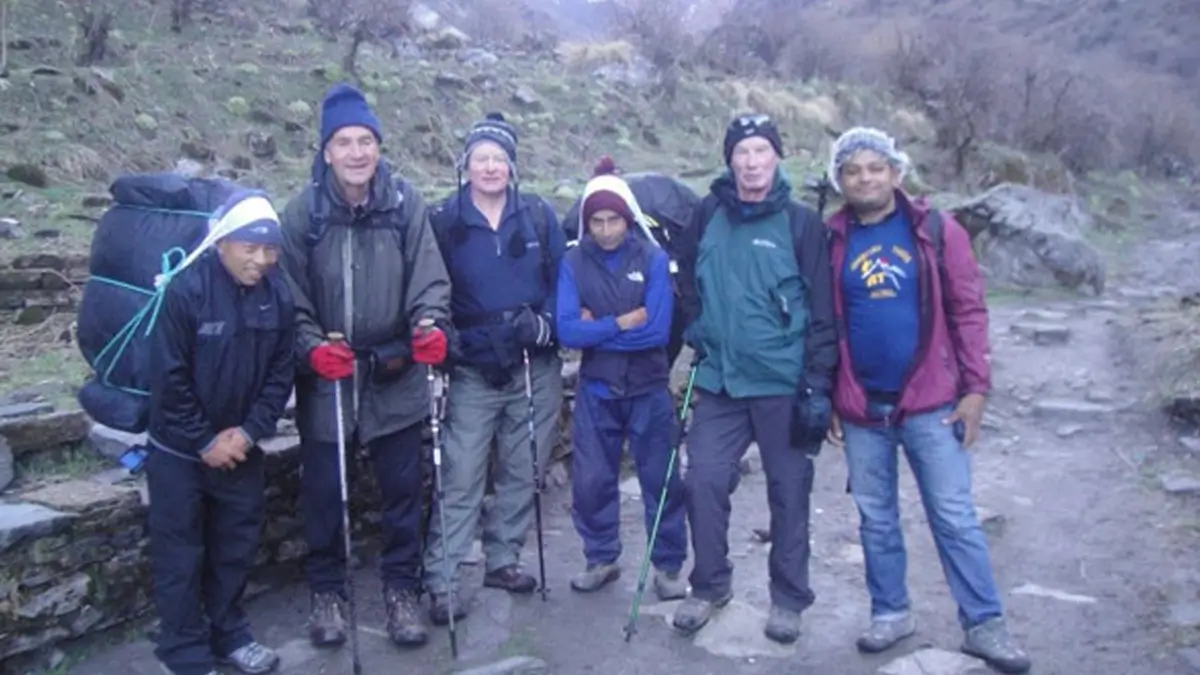
Yes, hiring a registered trekking guide with expertise at handling any situation on a hiking route is essential, whether you are planning to reach the foothills of the Annapurna Massif, follow legendary mountaineers’ footsteps, or do a round trip, choosing the Annapurna circuit package. Nevertheless, a guide is mandatory to obtain trekking permits for all trekking areas in Nepal, considering every individual’s safety throughout the trip. Only a seasoned guide can navigate the trail in a proper way, arranging time to avoid potential challenges on the way. Even if the Annapurna solo trek rule was in Nepal, the chance of getting lost is higher in unknown routes due to little knowledge of local places, trail conditions, weather patterns, local teahouses, and administration.
Therefore, hiring a guide meant getting reliable teahouses for a safe stay, along with fresh meals, trustworthy paper documents, and proper instant treatment on the spot. Since they have experience from many trainings, they keep observing you and help in treatment when the symptoms of attitude sickness appear in your body. With the help of a detailed Annapurna Base Camp route map, a GPS tool, a direction tool, and other devices, they lead you through safer alternative paths in case the major trail gets blocked. If some of you need urgent medical support and helicopter evacuation, a guide will coordinate with the related administration or the rescue team.
On the other hand, the role of a porter is also crucial for safer walks along with a guide and the Annapurna Base Camp Trek Safety Checklist, as they reduce the risk of getting injured by carrying your heavy loads of 15 to 20 kg. They can suggest you walk in a proper way on a steep trail, as they have experience walking on such landmarks with loads, balancing their legs and body. Hiring a local porter, you can also contribute to uplifting the local economy status and not only preserve energy to savor the charm of nature without physical strain and unnecessary stress.
What to eat to stay safe and energized on the Annapurna trail?
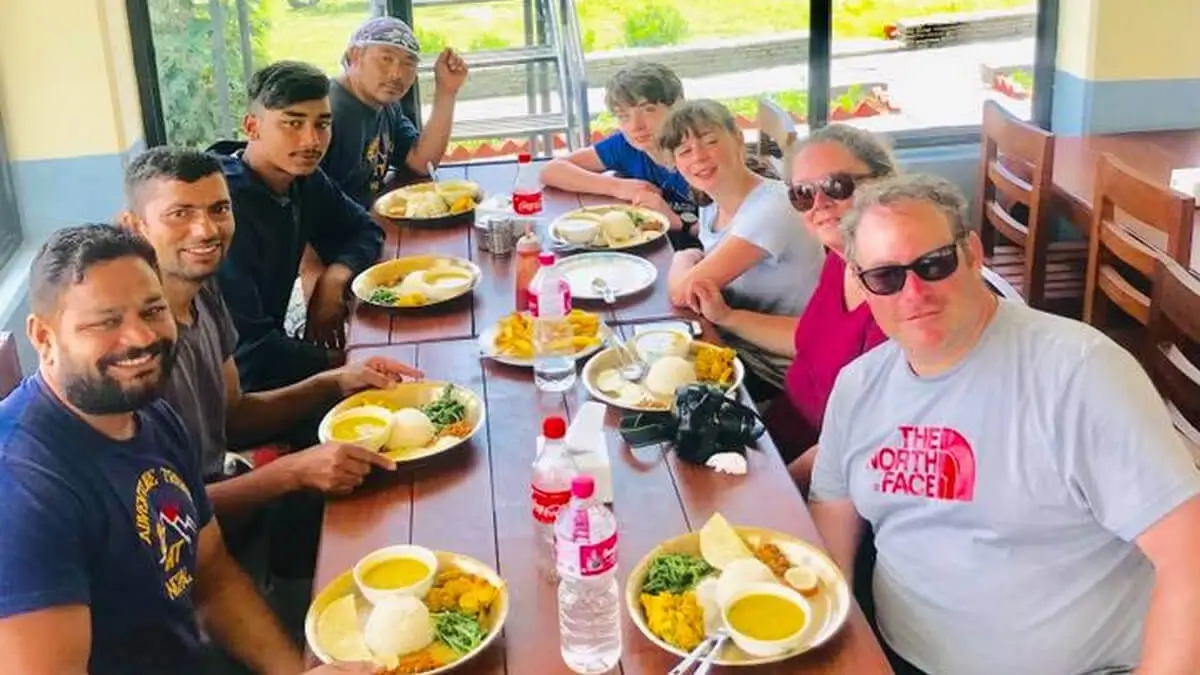
Common teahouses to deluxe lodges on the Annapurna Base Camp route generally provide fresh meals for trekkers, considering everyone’s wellbeing. The most common food that you can have to keep yourself energized is “Dal and Bhat,” which includes steamed rice, seasonal vegetables, lentil soup, salad, and pickle. Such a hot and fresh meal is beneficial due to the balance of carbohydrates, vitamins, proteins, and minerals needed for prolonged walking in high elevations. Although meat, western, and Tibetan food items are available at several teahouses, it is better to avoid such food, as they take time to digest, absorbing more energy and making you hungry earlier.
However, you can have a mo: mo, chowmein, thukpa, pizza, pasta, sandwich, and other items in case of many cravings, as the teahouses prepare them as you demand. As you can not find shops anywhere along the route, keep energy-providing snacks such as dry fruits, nuts, cookies, chocolate, energy drinks, beaten rice, instant noodles, and biscuits to eat when you feel low stamina.
How to drink water safely on the Annapurna Base Camp trek?
At first, drinking water from different sources such as rivers, streams, waterfalls, ponds, glaciers, and taps is unsafe during the trek. If possible, only use boiled water provided at tea houses, filling durable, reusable water bottles from time to time. However, drink water once you purify it by using tablets or filters to avoid health issues such as diarrhoea, parasite infections, dehydration, cholera, stomach infections, fever, and fatigue. Since staying hydrated is important on the trip to avoid several health issues, keep drinking plenty of water.
What to do during an emergency on the Annapurna trekking?
Even if you know all the Annapurna Base Camp risk factors, little knowledge of safety tips might lead to worse conditions, and sometimes the case results in Kathmandu without completing trekking. When an unforeseen condition occurs during the trip, inform your guide without panic for prompt assistance. If you feel worse at high altitude, immediately descend to lower elevations, as ignorance might make you pay harder. Keep contact numbers of all related administration, and communicate with the travel insurance company for rescue on time, as they provide helicopter evacuation if you choose the right one with such coverage.
Even though the Nepal Tourism Board, ACAP rangers, and the chosen travel agencies track you during the journey, keep updating your family and loved ones, using available mobile networks or satellite phones. With this kind of action, the rescue team can reach you instantly in emergency cases.
Do you need travel insurance for the Annapurna Base Camp Trek?
Yes, travel insurance is a must-have document for the Annapurna Base Camp trek, even though its trails are easier compared to Everest Base Camp Trek and off-the-beaten-path trekking in Nepal. At first, obtaining insurance provides you with mental peace, as it covers all medical treatment if you get injured or suffer from health problems. Select a reliable one that covers helicopter evacuation above 3000 m and also expenses for damaged or lost personal equipment, trip cancellation, or delays. If you are on a budget trip, it is the best idea to compare different travel insurances and prioritize the one that has the best policy.
Conclusion
We hope that now you can trek to the Annapurna Base Camp confidently after getting Annapurna Base Camp trekking safety tips that focus on strategic preparation and knowledge of key risk factors. While choosing Adventure Treks Nepal for your dream journey, you do not have to go through many challenges, as we provide an expert guide and a local porter who support you at each step to provide you with a comfortable experience.
Using these Annapurna trekking precautions, stay healthy, and accomplish the trip without much strain. Since we have several packages for the Annapurna region, such as the Ghorepani Poon Hill Trek, Mardi Himal Trek, Annapurna Dhaulagiri Trek, Annapurna Family Adventure with Chitwan National Park, and Annapurna excursion, you can also choose from Annapurna Base Camp trekking packages for 2026 and 2027.