What does travel insurance for Annapurna Base Camp Trekking mean?
Travel insurance for treks is a targeted policy designed to cover various activities of hikers involved in high-elevation landmarks, especially those above 2500 m. As these assist in protecting individuals from economic burden, many insurance agencies offer dedicated plans with extended coverage at affordable prices.
Since the Annapurna Base Camp is located at an elevation of 4130 m in central Nepal, it also requires the best insurance due to some risky zones, including landslide- or avalanche-prone areas.
What are the major reasons for obtaining travel insurance for Annapurna Base Camp Trek?
Eventhought the Annapurna Base Camp trekking is moderate trip in the Annapurna region, you will find some sections demanding requiring the righ travel insurance for it. Some major reasons for ABC trek are as follows:
High altitude sickness
Either beginners or seasoned trekkers may feel symptoms of acute sickness, such as headache, fatigue, dizziness, shortness of breath, nausea, difficulty sleeping, and swelling of body parts (hands, face, or feet). While neglecting common warning signs during the trek, sometimes the condition leads to serious circumstances, showcasing critical symptoms, for example, loss of balance, blurred vision, confusion, severe headache, loss of consciousness, persistent cough, severe fatigue, blue lips, rapid heartbeat, and tight chest.
During these cases on the Annapurna Base Camp route, an ideal policy of trekking insurance will not let you go through these life-threatening conditions, as it covers oxygen support, instant rescue or helicopter above 2500. However, you will get safety throughout the trip as our team keeps updating about your health condition and monitors your well-being, as security is the first priority over the trek’s goals or itinerary.
Challenging terrain and limited service
Most Annapurna trails are well-marked, requiring simple cardiovascular exercise such as jogging, running, cycling, jumping, dancing, swimming, and climbing/hiking up to 2000 m. However, some demanding alpine landscapes, such as rugged trails and glacial moraines with steep ascents and descents, can make the trek quite difficult and may sometimes lead to critical injuries if caution is not exercised. Since health posts are farther apart with limited medical services, they require the right insurance that takes responsibility for rescuing on time.
Even though it is only 77 to 80 kilometers, it is impossible to reach the city immediately for the treatment by road. While hiring a helicopter personally, the cost will be very expensive, and you will make yourself stressed if you are on a budget for trekking. Therefore, the Annapurna Base Camp trekking is crucial for every trekker.
Unpredicted Weather on the Himalayan route
The climate of the Annapurna Base Camp route changes in no time, bringing heavy rainfalls, storms or snowfalls. During these kinds of situations, the trek becomes more demanding due to slick/slippery paths. Sometimes trips get cancelled if the main trail gets blocked or is under construction. Accordingly, the optimal period to venture into the ABC trek is spring (March to May) or autumn (September to November) to avoid high risks. Even though you are fully prepared with premium trekking gear and clothing layers, severe cold might create issues in your body.
As you climb higher, the temperature starts dropping, sometimes to freezing. In such an environment, warm rooms and blankets, along with sleeping bags, play a vital role. If you suffer from cold-related health issues such as hypothermia and frostbite. As a result, the Annapurna Base Camp trekking insurance is a must-obtain document.

What should the Annapurna Base Camp Trek insurance include?
A strategy is not only for packing essentials but also for approximating travel insurance for Annapurna Base Camp trekking criteria. Since policies differ according to activities, you should ensure that your insurance covers every unpredictable risk of high altitude.
High-altitude policy :While choosing the insurance, ensure that it covers activities above 4000 m from sea level or, as you estimated, to reach the Annapurna Base Camp trekking.
Medical emergency and helicopter policy: The hired experienced guide takes immediate actions for the trekker’s comfort and better condition. Whether the injury is minor or a critical health issue, select the insurance that has a policy to cover the trekker’s treatment and covers expenses for hospitalization, medication, doctor fees, and treatments.
Afterwards, the travel insurance company takes responsibility to provide appropriate medical services, including helicopter evacuation. Since some insurance does not cover areas at high elevations, it is crucial to confirm availability for immediate rescue. If an emergency rescue is needed.
Trip delays or cancellations: Due to unpredictable weather as well as some trails’ conditions, sometimes the situation of flight delays, interruptions, or the entire trip cancellation takes place. Wisely, select the best insurance that compensates for prepaid expenses for such unforeseen events.
Policy for lost baggage and personal belongings: While Adventure Treks Nepal provides some trekking gear for you, take responsibility to protect it carefully. Do not be negligent either for the company’s equipment or your individual ones. If the baggage or personal belongings get lost, even if you are caring for them during the trek, the broad-coverage insurance should cover all these.
Why is Helicopter Evacuation Coverage Important?
Even if you think that you are fully prepared and you will not suffer through any health issues or any circumstances, sometimes unexpected issues happen. It can take many days to reach you by road ride either from Pokhara or Kathmandu, especially during unpleasant weather. Checking the weather forecast, the helicopter can rescue earlier when the sky is clear, even if the climate creates challenges. Accordingly, it a must to include rescue coverage in the Annapurna Base Camp trek insurance when trekkers experience worse symptoms of acute sickness, accidents, injuries, and dehydration in high-altitude, remote areas, which can be expensive for individuals without the insurance.
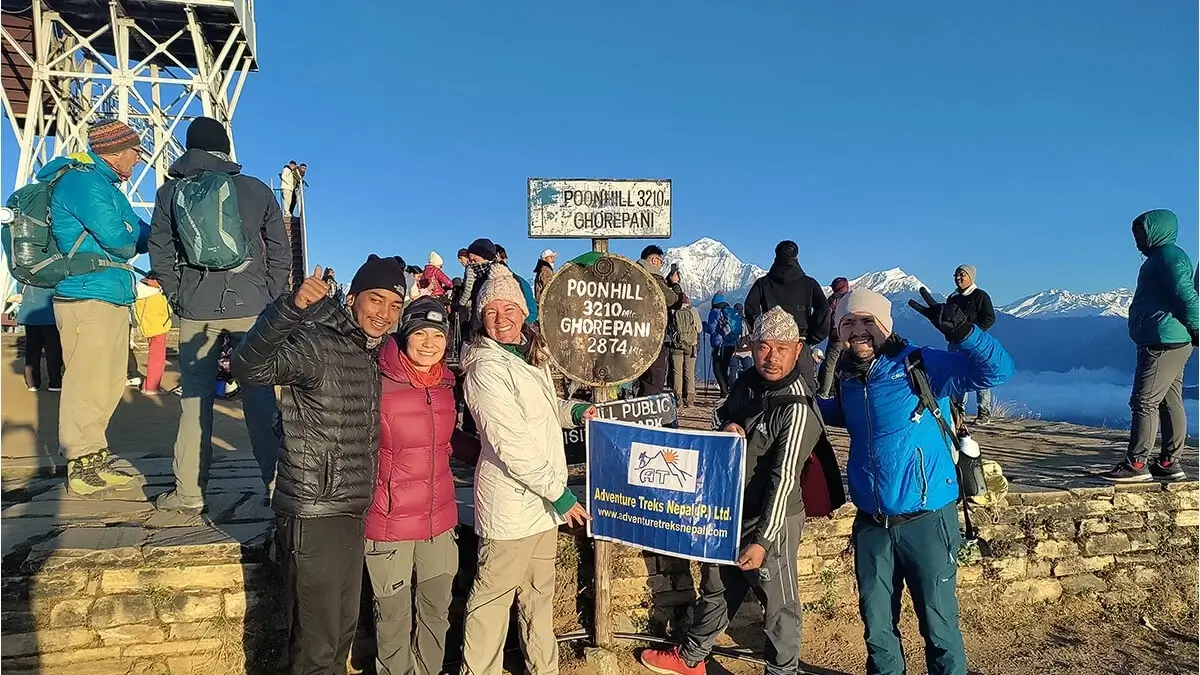
What Medical Emergencies Should Your Policy Cover?
We expect a successful odyssey without any urgent rescue due to the critical situation of any trekkers. Nevertheless, thinner air and harsh cold can affect your health, sometimes leading to the condition of requiring medical emergencies. Generally, the travel insurance for Medical emergency policy for Annapurna Base Camp Trek should include the following health risks:
- High acute sickness treatment
- Respiratory or cardiac complications
- Hypothermia and frostbite
- Injury from falls or slips
- Gastrointestinal infections
- Emergency hospital admission
What should the High Altitude Sickness Policy for the Annapurna Trekking include?
Several insurance companies exclude high acute sickness policies since they involve greater health risks and evacuation expenses than ordinary trips. It is categorized as a specialized activity, which requires premium insurance or extra coverage. If the insurance agency covers a high-altitude sickness policy, ensure that your policy for the Annapurna Base Camp route states the following:
- High-altitude trekking coverage up to 4,130 m or above
- Acute Mountain Sickness (AMS) treatment
- Emergency descent and rescue support( by helicopter)
- Always declare trekking activity to your insurer before purchase.
Which Activities Are Included in Annapurna Base Camp Adventure Activity Coverage?
Major activities on the Annapurna Base Camp trek include trekking through diverse terrain ranging from lush forests to alpine meadows. Expecting good things to happen, trekkers keep proceeding towards higher elevations by traversing many settlements. As a result, the selected trekking insurance should cover the following activities:
- Trekking through high altitude ranging from 1070 m to 4130 m
- Walking via suspension bridges and uneven paths
- Use of trekking gear such as trekking poles and crampons in the needed sections
- Activities on Mountainous landmarks
- Porter, and guide-assisted Himalayan journey
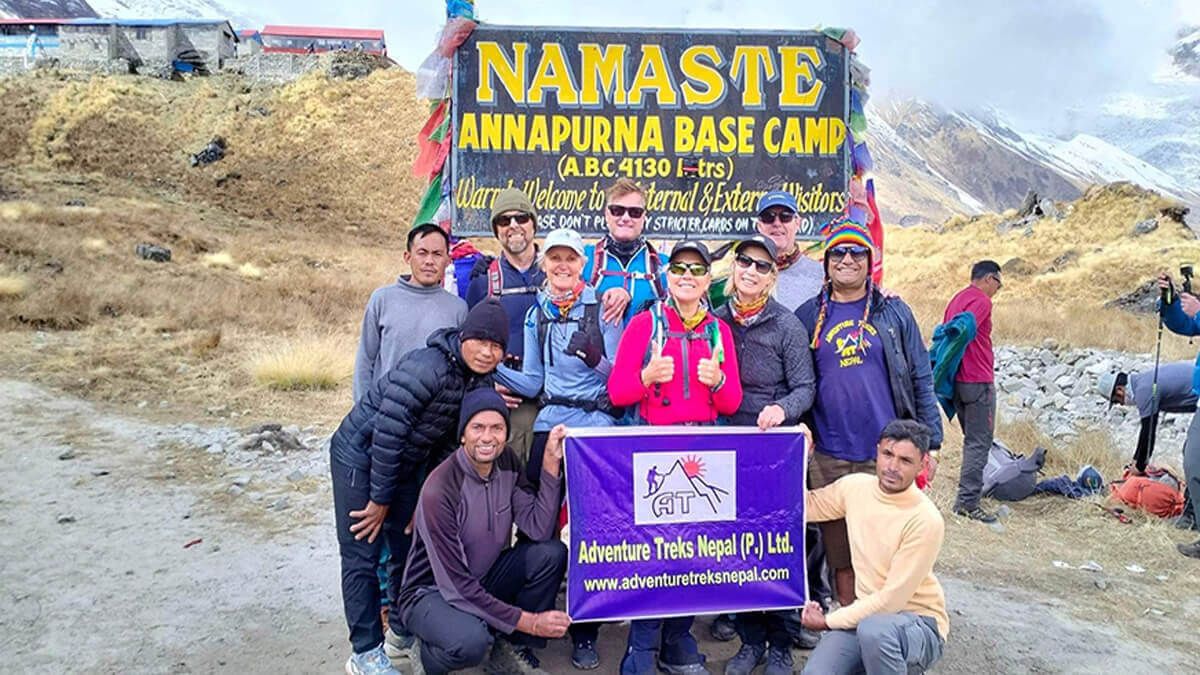
When Should You Buy Annapurna Base Camp Trek Insurance?
As travel insurance is highly recommended for activities at high altitude, you should buy it on time to ensure safety. Like other legal documents for the Annapurna Base Camp trekking, obtain it with the help of the chosen trekking company. Purchasing insurance as soon as booking the trip, before arriving in Nepal for the journey, and before venturing into the trek will ensure coverage of every possible incident since a late-attained travel insurance policy may not include prior incidents.
How Much Does Travel Insurance Cost for Annapurna Base Camp Trek?
It is on you which kind of travel insurance company you prefer to choose. The cost for Annapurna Base Camp trekking insurance varies based on different factors, including the chosen companies (local, national, or international), nationality, age of trekker/traveler, nationality, coverage type, and adventure activity add-ons. As a result, costs differ for individuals, but I recommend not to compromise on your safety in the temptation of saving budget for a cost-effective trip.
Which Countries Provide Good Insurance Options for Trekkers?
You can obtain travel insurance from the preferred one, as you have to pay for it out of your pocket. Generally, you do not have to worry about this along with essential trekking permits, since the selected trekking agency does the processing for it on your behalf on time. However, trekkers usually buy travel insurance policies from USA/Canada insurance providers, Asian regional providers, Uk/European travel insurers, and Australian and New Zealand travel insurance companies. We highly recommend “Asian regional providers” for Nepal travel who are experienced with Nepal trekking claims for better services.
How to Choose the Best Travel Insurance for Annapurna Base Camp?
Generally, several travel insurance companies apply genuine policies to provide reliable services in case of unexpected incidents. However, confirmation is really a matter of better performance on the journey with peace of mind. Since we have many years of experience in travel and tourism, you can consult with our experts before purchasing travel insurance. We can help you to compare insurance based on activities in the Himalayas above 4130 m. Do not make mistakes by forgetting proof of insurance, neglecting high acute sickness, and choosing the insurance that covers limited services without helicopter evacuation or urgent medical treatment.
Before selecting the insurance, you should understand the difficulty level of the trek to compare insurance along with assurance of a well-printed policy to ensure that it includes all outdoor activities depending on the chosen package. Communicating with members of the travel insurance company, make sure that they can cooperate with the trekking agency 24/7 for rescue on time without delay. For better actions ahead on the trail, you can also provide them your detailed itinerary.
When comparing policies of different companies, check the following key features included or not.
Coverage for Annapurna Base Camp Trek insurance
- Medical emergency coverage
- High altitude sickness policy
- Rescue and evacuation by helicopter
- Protection against trip cancellation and delays, and round-the-clock emergency support
- Unambiguous claim procedure
Conclusion
Selecting the ideal Annapurna Base Camp trekking insurance is also one of the key aspects to prepare yourself mentally for the trek, as it not only covers unnecessary expenditures but also allows you to walk peacefully without stressing. A well-planned travel policy covers broadly and saves money for high expenses for medical treatment and helicopter evacuation. At first, our suggestion is to stay safe, following our instructions together with the insurance.
If you prefer similar adventures in the Annapurna region, Ghorepani Poon Hill Trek, Annapurna Sanctuary trek, and Mardi Himal Trekare also moderate ones that require the same type of travel insurance. For a more challenging trip, do the Annapurna Circuit trek in the region for both rewards and the experience of more difficulties.
FAQs
What are the optimal period to embark on the Annapurna Base Camp trekking?
Spring and autumn are more suitable periods of the year to embark on the ABC trekking due to their unique features, pleasant weather, and moderate temperatures, which make for comfortable walking through the demanding trails to the Annapurna Base Camp. During these periods, the risk of floods, landslides, and avalanches will be lower because the chance of rainfall and snowfall is minimal.
Whether you are a nature lover or cultural explorer, these times present you with the most awe-inspiring wonders because skies become clearer and several national festivals occur in the months of peak seasons. Accordingly, we also recommend trekking in spring and autumn in any destination, although paths get more crowded and the demand for accommodation as well as food makes it harder to find available options.
Do you need to take extra cash while trekking to the Annapurna Base Camp?
Yes, you need to keep extra cash, as there are no ATM services in the high-altitude places along the Annapurna Base Camp route. Understanding the limitations of such physical facilities, taking money to buy some essential things also falls under strategic preparation.
Nevertheless, it is better to carry some energy-providing snacks because the price may be higher than normal costs in remote areas. Before the package gets activated or heads to isolated areas, exchange sufficient Nepalese currency.
What permits does the Annapurna Base Camp trek require?
A TIMs (Trekkers Information Management System) card and an Annapurna Conservation Area Permit are crucial documents to enter the Annapurna region to reach the base of Mt. Annapurna. Since the chosen trekking agency handles the process of obtaining these permits on your behalf, you can freely prepare for the trip. The permits are available from either Pokhara or Kathmandu.
As the administration keeps all your information, including a detailed itinerary, they ensure every trekker’s security throughout the journey and also rescue you on time when you are in a problem.
Can you drink water directly from the Annapurna Base Camp route?
Generally, drinking water from different water sources like streams, rivers, ponds, or waterfalls increases the risk of health issues. Accordingly, we advise you to use a water-purification tablet in such a case. However, do not forget to refill your water bottle from teahouses, as owners provide you with boiled water.